June 12, 2026 · JMP Technology · Official blog
Avoid Fragmented Digital Tools for Modern Websites
- modern websites
- digital strategy
- seo integration
- jmp-dashboard
Many businesses struggle with a collection of disconnected digital tools. Learn how to avoid common mistakes and build a unified, modern website strategy with integrated SEO, analytics, and AI.

Many business owners accumulate a patchwork of digital tools over time—one for email marketing, another for basic analytics, a third for content management, and perhaps a separate SEO plugin. This fragmented approach often leads to inefficiencies, data silos, and missed opportunities for true digital synergy. Instead of a cohesive system, you end up with a collection of disconnected services that can hinder your business rather than help it grow.
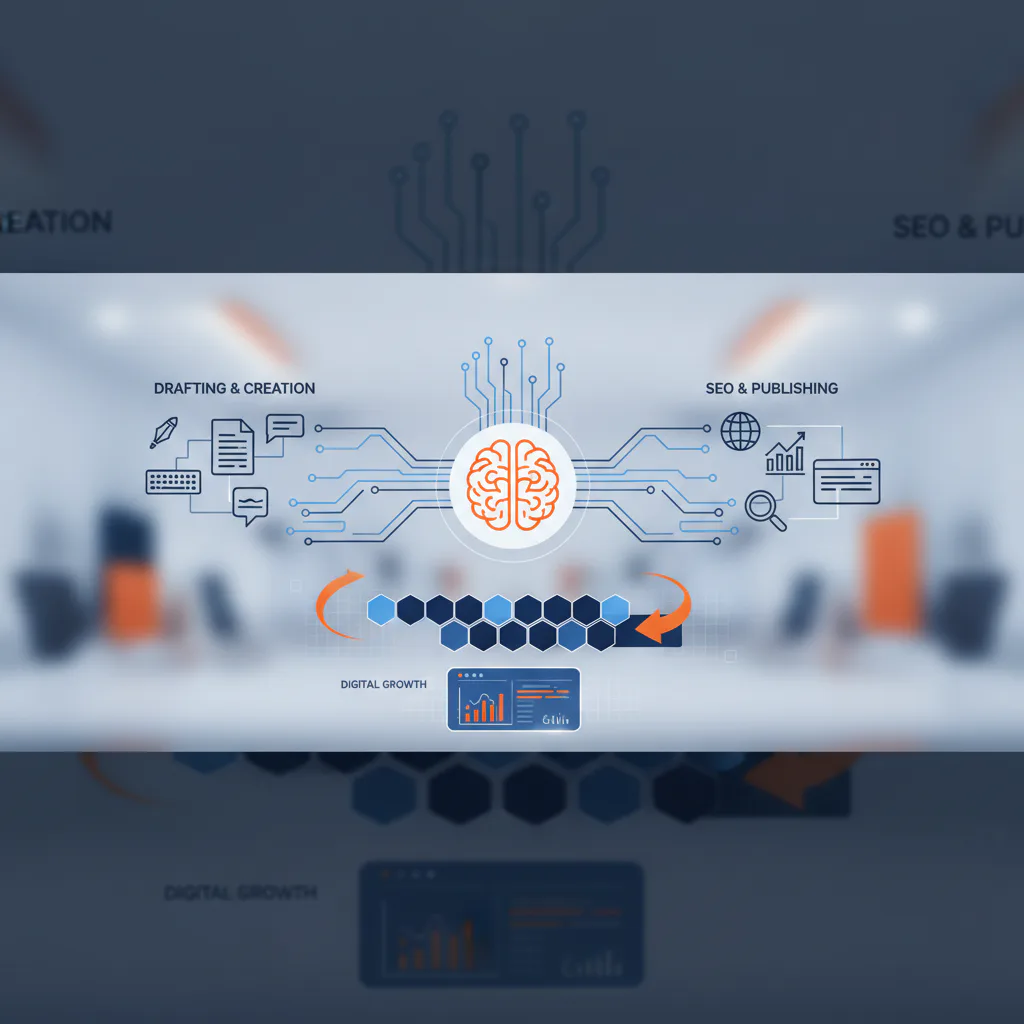
The better path involves a strategic approach to modern website development, where critical features like SEO, data analytics, and artificial intelligence are seamlessly integrated from the ground up. This not only streamlines operations but also ensures your website acts as a powerful, unified platform, ready for customization, automation, and scalability.
The Cost of Fragmented Digital Tools
Relying on a fragmented set of digital tools can create more problems than it solves. Each new service adds another layer of complexity, another login, and another potential point of failure. You might find yourself manually transferring data between systems, struggling to get a complete view of your customer journey, or discovering that your SEO efforts are undermined by a lack of coordination across platforms. This often results in wasted time, duplicated effort, and a significant drag on your team's productivity.
Consider the common scenario where a website relies on a basic template builder, then attempts to bolt on advanced features. An SEO plugin might conflict with a caching tool, or analytics data might not accurately reflect user behavior due to bot traffic or inconsistent tracking. These issues compound over time, making website maintenance a constant battle and preventing your business from fully leveraging the potential of a truly modern web presence.
Common Mistakes in Digital Tool Integration
Avoiding the pitfalls of fragmented digital tools requires foresight and a commitment to a unified strategy. Here are some common mistakes businesses make and how to steer clear of them:
1. Prioritizing Low Upfront Cost Over Long-Term Value
A frequent mistake is choosing the cheapest or easiest-to-implement tools without considering their long-term compatibility, scalability, or total cost of ownership. A free plugin might seem appealing now, but if it lacks crucial features, breaks with updates, or creates security vulnerabilities, it will cost more in headaches and fixes down the line. This approach often leads to a tangled mess of disparate systems, each requiring individual attention and often failing to communicate effectively.
The Stronger Move: Invest in a robust, modern technology stack that is built for integration. Prioritize systems that offer API-based connectivity and are designed to work together, even if the initial investment is higher. This ensures a stable, scalable foundation for your digital operations. JMP Technology focuses on building websites with a modern tech stack that supports seamless integrations from the start.
2. Neglecting a Centralized Data Strategy
Many businesses gather data across multiple platforms—website analytics, CRM, email marketing, social media insights—but fail to centralize or connect this information. This results in an incomplete picture of customer behavior and marketing effectiveness. Without a unified view, it's impossible to make data-driven decisions or truly understand your audience. You might optimize one channel while completely missing crucial insights from another.
The Stronger Move: Implement a centralized data strategy where all relevant information flows into a single, accessible hub. This allows for comprehensive reporting, accurate attribution, and a holistic understanding of your digital performance. JMP-Dashboard, included with every project, provides bot-filtered analytics and contact management linked to source pages, centralizing your critical data.
3. Underestimating the Importance of Consistent Content Management
Using different systems for blog posts, FAQs, and general website content can lead to brand inconsistencies, publishing inefficiencies, and SEO challenges. If your content updates are a manual, multi-step process involving different platforms, you risk errors, delays, and a fragmented brand voice. This also makes it difficult to maintain an optimal content model website architecture, which is crucial for SEO and user experience.
The Stronger Move: Opt for a content management system (CMS) that supports a structured, editable publishing workflow across all content types. Look for API-based updates that allow content changes to go live without redeploying the entire site. The JMP-Dashboard includes an efficient content management system that supports API-based updates for blogs, FAQs, and general site content, ensuring consistency and ease of use.
4. Ignoring AI Integration and Automation Opportunities
In today's digital landscape, artificial intelligence offers immense potential for automation, personalization, and efficiency. A common mistake is overlooking how AI can be integrated into your website operations, particularly for tasks like content generation, customer support, or data analysis. Without strategic AI integration, businesses miss out on opportunities to streamline workflows and enhance user experience.
The Stronger Move: Plan for AI-enabled website features and automation from the outset. This includes exploring tools for AI blog automation, personalized content delivery, and intelligent analytics processing. JMP Technology offers AI blog automation within the JMP-Dashboard, capable of scheduling SEO-optimized posts with rich media and internal linking.
5. Overlooking Ongoing Website Maintenance and Support
Many businesses view website development as a one-time project, failing to budget for ongoing website maintenance, security updates, and performance optimization. Neglecting these aspects can lead to outdated infrastructure, slow loading times, security vulnerabilities, and a poor user experience, ultimately hurting your search rankings and brand credibility. This is especially true when juggling multiple, disparate tools, each with its own update schedule and potential conflicts.
The Stronger Move: Partner with a web development firm that offers clear post-launch support and practical website maintenance solutions. Ensure your website architecture is clean and maintainable from day one. JMP Technology offers practical website maintenance solutions and ensures a clean handoff from strategy through launch.
Fragmented vs. Integrated Digital Strategy: A Comparison
To highlight the difference, consider this comparison between a common fragmented approach and JMP Technology's integrated strategy:
| Feature Area | Fragmented Approach | Integrated Strategy (JMP Technology) |
|---|---|---|
| Website Foundation | Template-based builder, many plugins | Modern website development, current technology stack |
| SEO | Multiple conflicting plugins, manual audits | SEO integration at code level, structured content, built-in SEO tools |
| Analytics | Disparate tools, unfiltered data, incomplete view | Bot-filtered analytics, centralized JMP-Dashboard, contact tracking |
| Content Management | Separate systems for blog, FAQ, pages | Unified CMS via JMP-Dashboard, API-based updates, editable publishing |
| AI Capabilities | Limited or no AI, manual tasks | AI blog automation, AI-enabled website features, workflow enhancements |
| Integrations | Manual data transfer, compatibility issues | Seamless third-party integrations, API-first design |
| Maintenance | Reactive fixes, high hourly rates for troubleshooting | Proactive, clean architecture, clear post-launch support, $75/hr billing |
| Scalability | Difficult, often requires rebuilding | Built for growth, endless customization and automation possibilities |
| Oversight | Multiple dashboards, inconsistent reporting | Centralized JMP-Dashboard for all key operations and insights |

Building a Unified Digital Strategy for Modern Websites
Moving from a fragmented approach to a truly integrated digital strategy requires careful planning and the right partner.
1. Define Your Core Digital Needs
Start by clearly outlining what your business needs from its digital presence. This goes beyond just a website; think about your content strategy, lead generation, customer support, data analysis, and automation goals. What specific functions are critical for your team and your customers? This clarity is the first step in effective digital strategy consulting.
2. Prioritize a Modern Technology Stack
The foundation of any successful integrated strategy is a modern website development approach. This means choosing a technology stack that is current, secure, and designed for seamless integration. Avoid outdated infrastructure that will limit your capabilities down the road. A modern stack ensures that features like SEO, data analytics, and AI can be interwoven efficiently, rather than being bolted on as afterthoughts.
3. Integrate SEO from the Ground Up
SEO should not be an add-on. A modern website requires SEO integration from the initial design and architecture phase. This includes clean code, logical page structures, proper schema markup, and an architecture that Google can easily crawl and understand. This foundational approach ensures your site is inherently SEO-ready web design from day one.
4. Plan for Seamless Analytics and Contact Management
Your analytics and contact management systems need to work in concert. A unified system allows you to track user behavior, understand conversion paths, and manage leads efficiently, all linked to their source pages. This provides actionable insights that fragmented systems cannot.
5. Embrace AI-Driven Content Workflows
Consider how AI can enhance your content creation and publishing processes. From generating draft ideas to optimizing posts for SEO and scheduling, AI blog automation can significantly boost your content output and consistency. This frees up your team to focus on strategy and creative direction.
6. Ensure Maintainability and Scalability
A well-planned digital system is not only powerful but also maintainable and scalable. Choose a partner who prioritizes clean structure and maintainable architecture, ensuring that your website can grow with your business without constant overhauls. This includes clear website migration planning if you're transitioning from an older system.
Leveraging the JMP-Dashboard for Cohesive Operations
JMP Technology's approach to integrated digital systems is exemplified by the proprietary JMP-Dashboard, included with every project. This centralized platform is designed to eliminate fragmentation by bringing essential tools into one place.
- Bot-Filtered Analytics: Get clear, actionable insights into your website traffic and user behavior, without the noise of bot activity.
- Comprehensive Contact Management: Track leads and customer interactions, with contacts linked directly to the source pages they visited on your site. This provides invaluable context for your sales and marketing efforts.
- Efficient Content Management System: Update your blog, FAQs, and general site content with ease. Our API-based updates mean changes go live instantly without requiring a full site redeployment.
- AI-Assisted Blog Publishing: Leverage AI to schedule SEO-optimized posts, complete with rich media and internal linking, ensuring your content strategy remains consistent and effective. This is a core feature of our AI blog automation.
- Custom Web Dashboard: Beyond standard features, the JMP-Dashboard offers a custom web dashboard experience tailored to your project's specific needs, ensuring all critical information and controls are at your fingertips.
This integrated approach means you're not just getting a website; you're getting a smarter system that supports your business goals, streamlines operations, and provides a clear path for growth.

Long-Term Benefits of a Modern, Integrated Approach
Adopting a modern, integrated approach to your digital presence offers profound long-term benefits beyond simply avoiding headaches. You gain:
- Enhanced SEO Performance: With SEO integrated into the core architecture, your website is naturally optimized for search engines, leading to better visibility and organic traffic.
- Improved User Experience: A cohesive system provides a smoother, more intuitive experience for your visitors, from faster loading times to consistent branding and easy navigation.
- Actionable Business Insights: Centralized analytics and contact tracking give you a complete picture of your digital performance, enabling smarter, data-driven decisions.
- Scalability and Flexibility: A modern stack allows for endless possibilities in customization and automation, ensuring your website can evolve and expand as your business grows.
- Operational Efficiency: Automating tasks and centralizing management saves your team valuable time, allowing them to focus on strategic initiatives rather than administrative burdens.
- Credibility and Trust: A professionally built, well-maintained website reflects positively on your brand, enhancing your credibility with customers and partners.
This integrated strategy is particularly beneficial for businesses of all sizes, from small enterprises to larger organizations, seeking scalable and maintainable websites. Our founder-led web development ensures direct access to Jordan Wells, combining technical expertise with a deep understanding of practical business needs.
Tips for Choosing Your Web Development Partner
When seeking a partner to help you build a modern, integrated digital system, consider these tips:
- Look for a Modern Tech Stack: Ensure they leverage current technologies that support integration and scalability, not outdated infrastructure.
- Prioritize SEO Expertise: Confirm they build websites with SEO in mind from the ground up, not as an afterthought. Ask about their approach to SEO-ready web design and content structure.
- Inquire About Centralized Tools: Ask if they offer solutions like a custom dashboard for analytics, content, and contact management.
- Understand Post-Launch Support: A clear handoff and practical website maintenance solutions are crucial for long-term success.
- Value Experience and Credibility: Look for a partner with a proven track record and strong technical credentials. Jordan Wells, with a Computer Science degree from UVU and years of experience, leads JMP Technology, ensuring a high level of expertise.
Building a modern website and smarter systems doesn't have to mean juggling a dozen disconnected tools. By avoiding common fragmentation mistakes and adopting an integrated strategy, your business can achieve a truly cohesive and powerful digital presence.
To explore how a unified digital strategy can transform your online presence, contact JMP Technology for a consultation.